
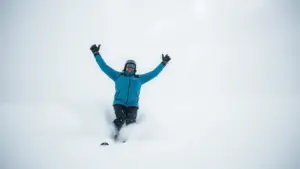
Storm Chasing for Skiers: Finding the Biggest Snowfalls
Learn the art of storm chasing and discover the secrets to finding the deepest powder.
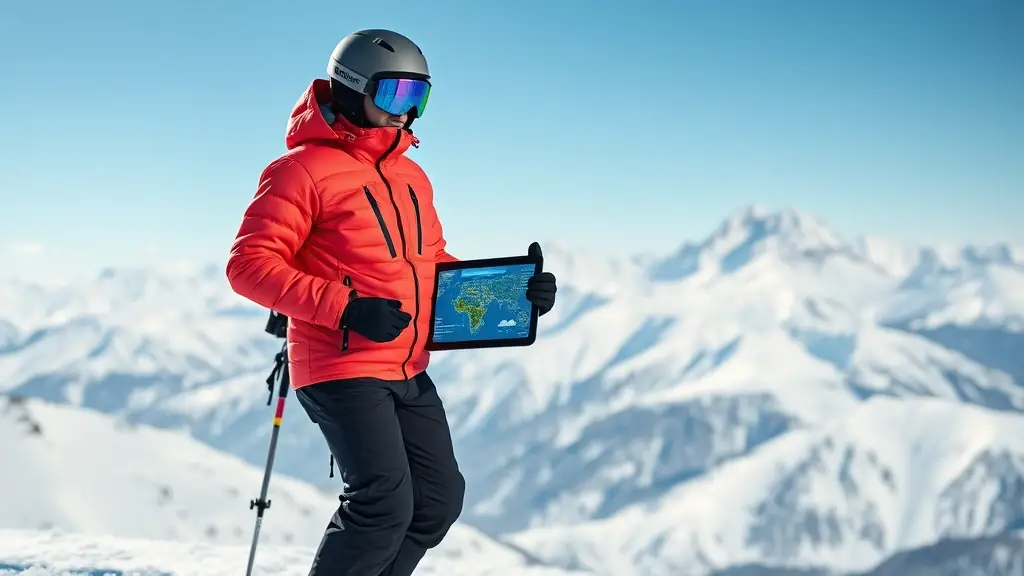
Understanding weather models is crucial for any serious skier or snowboarder looking to maximize their time on the mountain. These models provide insights into upcoming weather patterns, including snowfall, temperature, and wind conditions. By learning to interpret these models, you can make informed decisions about when and where to find the best powder. This knowledge empowers you to plan your trips effectively and avoid unfavorable conditions.
Different weather models offer varying perspectives and levels of detail. Some models focus on large-scale weather patterns, while others provide more localized forecasts. It’s essential to compare multiple models to get a comprehensive understanding of the weather situation. Pay attention to key indicators such as precipitation type, snow accumulation, and wind direction. These factors can significantly impact snow quality and overall skiing conditions.
Mastering weather model interpretation takes time and practice. Start by familiarizing yourself with the basic symbols and terminology used in weather maps. Then, begin tracking weather patterns in your local area and comparing them to model forecasts. Over time, you’ll develop a keen sense of how to predict powder days with confidence. Remember to always prioritize safety and check avalanche conditions before heading out into the backcountry.
Learn the art of storm chasing and discover the secrets to finding the deepest powder.
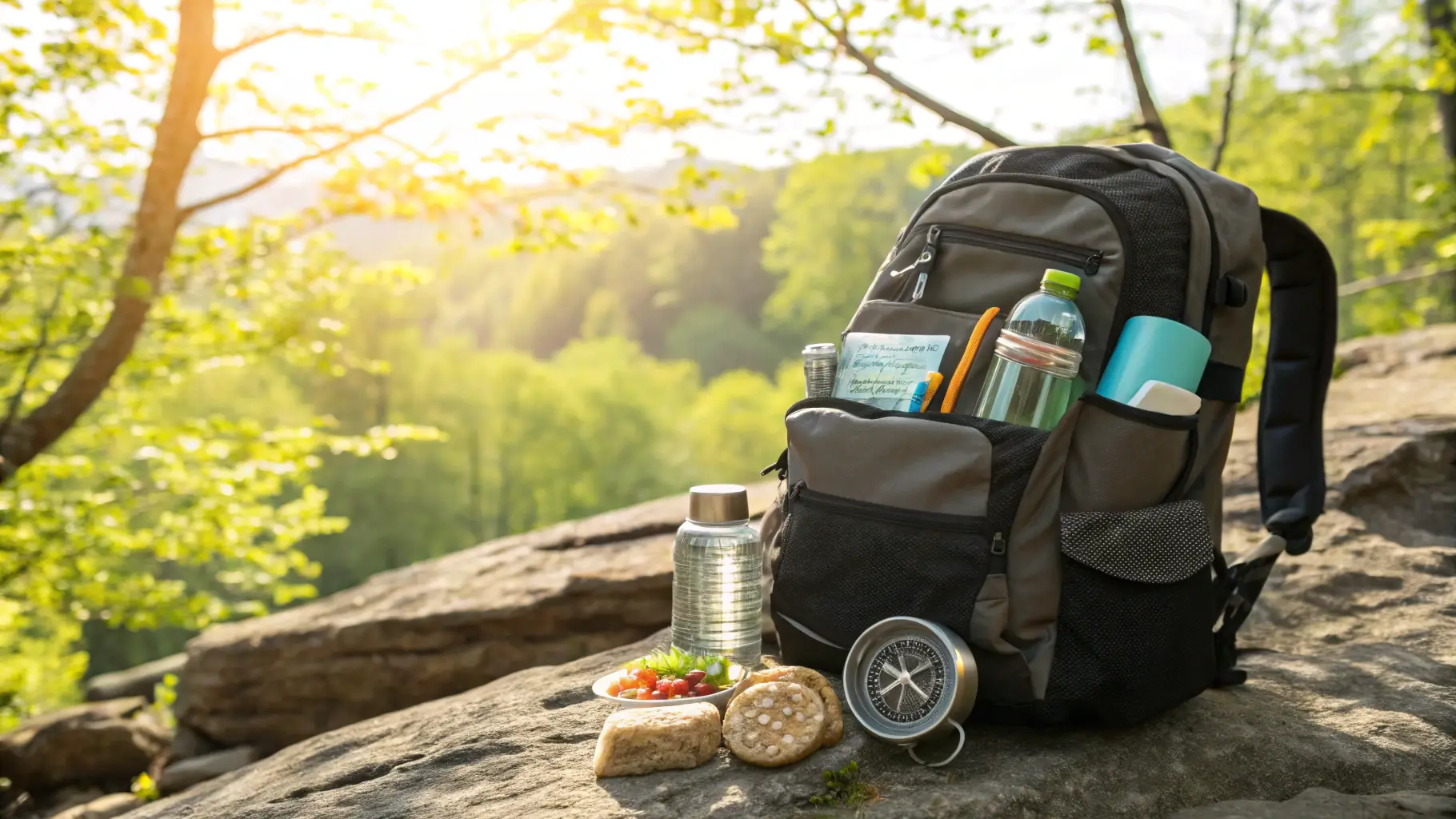
Equip yourself with the right gear for safe and enjoyable backcountry adventures.
Learn how to interpret weather models like a pro and predict the best powder days.