
Storm Chasing for Skiers: Finding the Biggest Snowfalls
Learn the art of storm chasing and discover the secrets to finding the deepest powder.
Understanding weather models is crucial for any serious skier or snowboarder looking to maximize their time on the slopes. These models use complex algorithms to forecast weather patterns, including snowfall, temperature, and wind speed. By learning to interpret these models, you can gain a significant advantage in predicting optimal conditions. This knowledge allows you to plan your trips strategically, ensuring you’re always chasing the deepest powder.
There are several key weather models that skiers should familiarize themselves with, such as the GFS, ECMWF, and NAM. Each model has its strengths and weaknesses, and comparing their forecasts can provide a more accurate picture. Pay attention to the model’s resolution, update frequency, and historical accuracy for your specific region. Remember that no model is perfect, and local knowledge is always valuable.
Beyond the models themselves, understanding atmospheric conditions is essential. Look for patterns like low-pressure systems, cold fronts, and orographic lift, which can all contribute to significant snowfall. Combine your model interpretation with real-time observations from weather stations and snow reports. With practice, you’ll become adept at predicting powder days and making the most of every ski season.
Learn the art of storm chasing and discover the secrets to finding the deepest powder.

Equip yourself with the right gear for safe and enjoyable backcountry adventures.
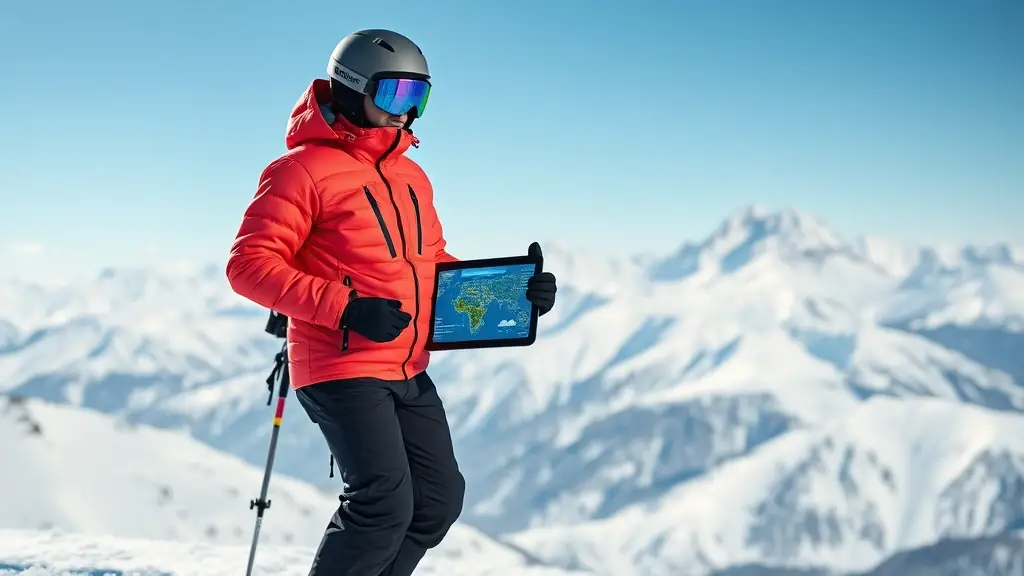
Learn how to interpret weather models like a pro and predict the best powder days.